
Calm the Chaos: Stress and How to Cope with it

By Corbin Hall
Stress—it’s something that all people experience. Due to many varying factors, stress can significantly impact a person’s overall health, leading to problems with psychological, physical, and social well-being.
To combat these effects, it is important to recognize the impacts of stress, how to appraise it, and how to cope with it in a healthy way. I recently learned a lot about stress management during my Health Psychology course at Regis University, taught by a health psychologist in the Health and Exercise Science Department. I found this topic extremely beneficial to understand, not only as a Health and Exercise Science major but also as a person who experiences stress.
What is Stress?
Stress the appraisal process that a person goes through when a negative or challenging event occurs in their life. Stressors are the events or triggers that push an individual to alter their behaviors. Stress comes from the way a person evaluates and processes a situation rather than the situation itself.
Stress can be positive when it is short-term, and the individual perceives the situation as a challenge to grow from. This type of stress is called eustress. This kind of stress increases the immune system function, helping the individual to fight off more illnesses and better heal themselves. This kind of stress can happen around exams, during exercise, and while working under pressure in the short term.
Stress becomes a negative factor in your life when it is long-term, recurring, and when many little things build up and are not properly coped with.
Some impacts of negative stress include:
Decreased immune system function
Loss of sleep
Digestion issues
The heart has to work harder at rest
Issues with hormone regulation
Exhaustion

Coping with Stress
Coping is the mix of behavioral and emotional cognitive processes in which people manage stress. There are two types of coping: avoidance coping and approach coping.
Avoidance coping is when individuals elect to ignore or escape from stress. This can be beneficial for short-term stress, but not effective for long-term or daily stressors.
Avoidance coping can look like:
Excessive sleeping
Fantasizing
Doom scrolling
Refusing to think about the situation
Substance abuse
In contrast to avoidance coping, approach coping is the problem-solving strategy for dealing with stressors. It is the most effective method for both short-term and long-term stress.
What are Some Positive Coping Mechanisms?
Developing resilience can help you to better “bounce back” from stress. Resilience can be developed by making connections in a trusting community, creating positive visualizations, keeping the event in perspective rather than making it worse than it is, and setting realistic goals. Let's break developing resilience into clearer sections and activities:
Social Support
Having a strong sense of community has been linked to:
Lower rates of chronic stress
Decreased risk of illness
Decreased depression and anxiety rates
Faster recovery
Higher self-efficacy levels (the belief that an individual is capable of something)
This is not to suggest that you need 40+ best friends to effectively cope with stress, but having 3-5 close friends, family members, or mentors that you can rely on can significantly improve your life.
Mindfulness and Meditation
When you typically think of mindfulness or meditation, sitting in a room in dead silence, thinking about your breathing is the common image. While this practice is popular, it isn’t the only form that mindfulness comes in. Mindfulness and meditation can look different to appeal to a variety of people.
1. Progressive muscle relaxation is an exercise that utilizes increasing and decreasing tension throughout the body. Many videos on YouTube can walk you through this exercise. This exercise can be beneficial to identify where you hold your stress, and can even act as a “reset” button for your nervous system.
2. Diaphragmatic Breathing Relaxation is where an individual focuses on the deep inhale of breath while expanding into their stomach and letting it all out slowly and controlled. This activity stimulates the division of your nervous system that helps you relax (parasympathetic nervous system).
3. Journaling is another great technique to cope with stress. You can write about the stressor and how it is impacting your emotions and behaviors. This specific technique of journaling is called expressive writing. It helps individuals work towards emotional disclosure and increasing an individual's sense of meaning.
Exercise
Exercise has been proven to decrease cortisol (stress hormone) levels and increase hormones such as serotonin, dopamine, and endorphins.
Exercise can:
Improve the immune system
Improve the cardiovascular system
Increase quality sleep
Decrease risk of illness
Decrease levels of depression and anxiety
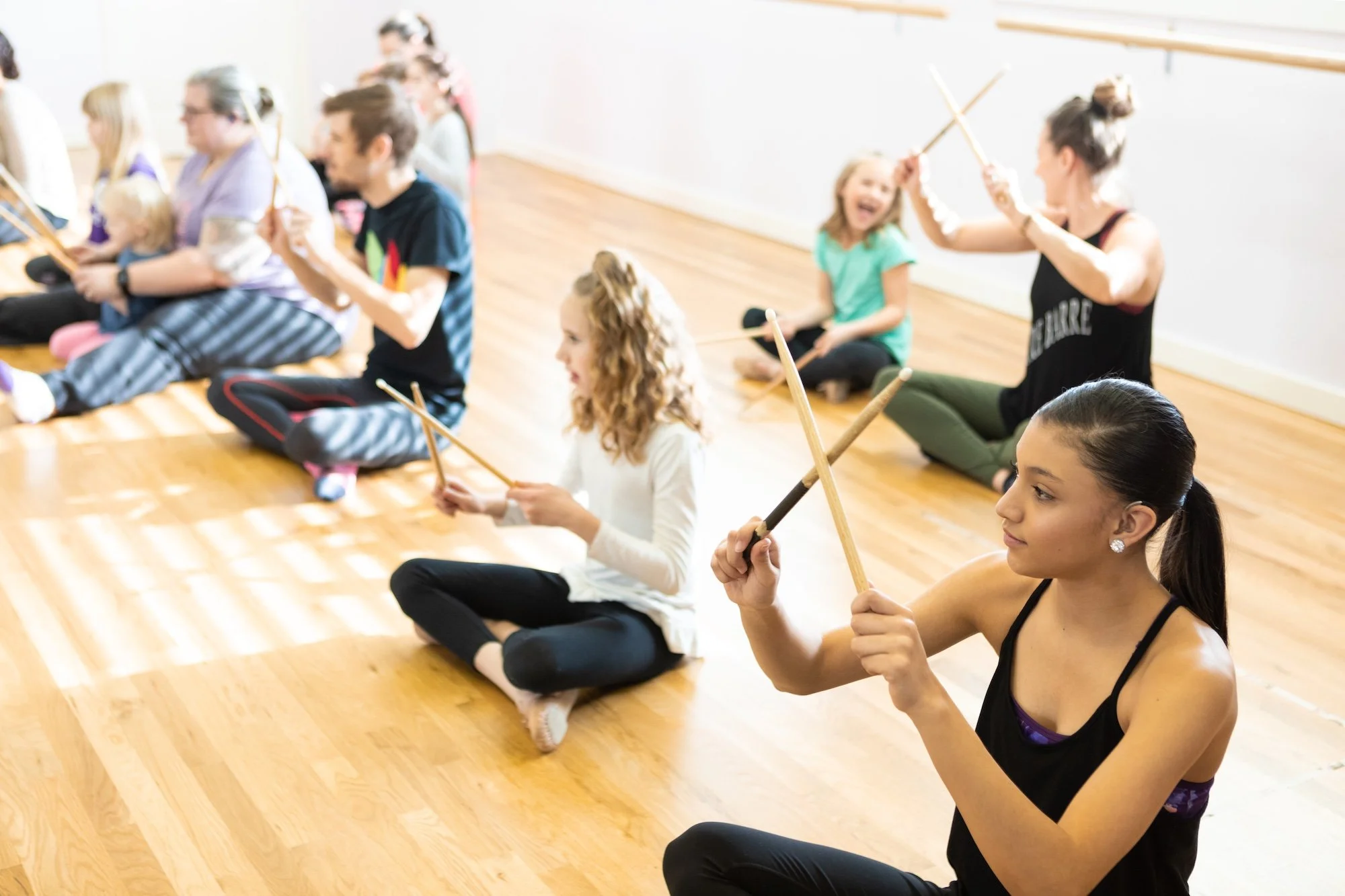
Participating in a group exercise class can provide you with the benefits of exercise as well as the benefits of social connections.
Going Outside
Going outside or even sitting by natural light has been shown to significantly improve one’s mood as well as increase the function of the immune system. I am not saying that you need to spend your entire day outside, but taking 5-minute breaks from work to sit outside can significantly help. If you don’t feel that you can go outside for whatever reason, sitting by a window with natural light while you do your work, eat a snack, or just look out the window can have very similar benefits to your health.
Hobbies Promote Relaxation
Participating in a hobby can have a more relaxing impact on your nervous system than just sitting on the couch. Our nervous system works in a dual control system, a graded response. The fight or flight (sympathetic nervous system) and the rest and digest (parasympathetic nervous system) work like a set of dimming light switches. You can increase one while decreasing another. Hobbies allow you to dim the fight or flight responses while increasing the rest and digest responses.
Some hobbies that are popular for their relaxing nature are:
Knitting & crochet
Drawing, painting, coloring
Reading
Fishing
Gardening
Listening to music
Building blocks, Legos
Puzzles
Using fidget toys or stimming tools
Can Optimism Save Your Life?
In short, yes, being optimistic or having a positive affect can have significant benefits regarding biological, psychological, and social well-being. Your affect is your natural emotional state of mind. People with a positive affect are cheerful, optimistic, and energetic. People with a positive affect aren’t happy all the time, but they have the natural ability to find the good during hard times. If you don’t naturally have a positive affect, you can practice optimism by looking at stressors as temporary and something to learn from. You can find at least one good thing in life to acknowledge amongst all the chaos in life.
Learned optimism or having a positive affect can:
Indicate improved mental health
Indicate improved physical health
Reduce risk of disease
Decrease chronic cortisol levels
Increase immune system function
Have a more positive response to environmental difficulties
Now what?
Try out a coping mechanism that piques your interest. I challenge you, if you are a doom scroller (like I used to be), to take five minutes and try any one of these coping mechanisms. I hope you will notice that it brings you more relaxation and clarity when you go back to face your stressors.
Also, know that you always have a supportive community here at Feel The Beat when you are dealing with stress. The staff here would love to help ease your stress to the best of our abilities. Thank you for adding to this amazing community. We appreciate you all.