
Creating Inclusive Communication: Interacting with People who are Deaf and Hard-of-Hearing

As humans, we are defined by our urge to communicate with others—it is our recipe for understanding the world around us. Should we prohibit people from conversations only because they use different channels to share and spread their thoughts? The answer is unquestionable: no.
Although interrelating between deaf and hearing individuals can be a challenge, we should persevere to learn and find techniques for how to engage one another in a conversation. Sign language is a widely accepted and preferred method of communicating with someone Deaf or hard of hearing. However, one should not be deterred if they are not comfortable signing. Many other approaches to conversation enable us to connect with others in ways that extend beyond spoken or signed words.
Body Language as a Bridge for Communication
In the same way that tone of voice expresses emotions in a spoken conversation, body language is essential to convey these same feelings for the Deaf and hard-of-hearing community.
The most important part of communicating with someone with a hearing loss is to always face them. They heavily rely on the recipient's lips and eyes in the process of understanding them, so making and maintaining eye contact, and creating visual access to your mouth are key elements in such a conversation.
It is natural to depend on a person’s lips and eyes during a conversation but it is critical for someone who has difficulty hearing.
On a similar note, facial expressions cover a substantial segment of the discussion. The more you try to signal your emotions, the more someone will understand what you are trying to indicate. For example, a simple smile can alter your entire expressive tone to make your feelings appear more positive in a conversation.
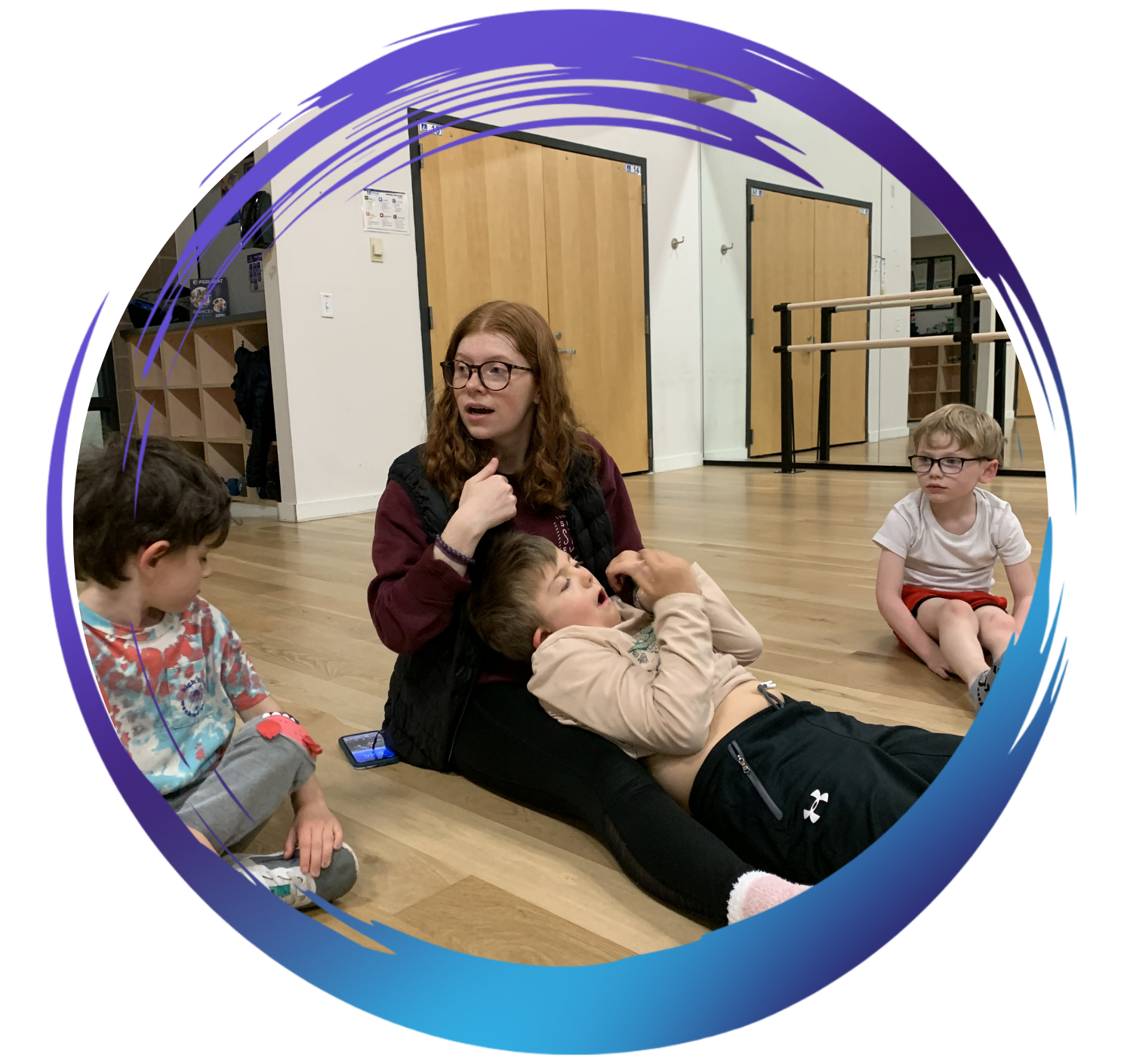
Ensure a Calm, Focused Environment
Another important aspect is the background check—surroundings, environment, and noise. Make sure that the lighting in your area does not affect the visibility of your face, so that your conversation can proceed clearly and effectively. You will make matters easier if you try to confer a clean “space” to be understood. When in a closed space, such as indoors with few windows, the best practice is to keep the lights on so you can be clearly seen.
On another note, do not be afraid to use different tools to communicate with the Deaf community. If you run into an obstacle, you can always provide a visual, photo, or written text to articulate what you have in mind. The goal is to make your ideas as clear as possible, so introducing a piece of paper or other visual aids will be very helpful in facilitating a clear, mutually understood conversation.
Last but not least, do not surrender! The goal is to be inclusive and acknowledge that individuals who are Deaf and hard-of-hearing have as much of a right to connection through communication as anyone else. If you persevere through the initial intimidation of the language barrier, you will find that genuine connection comes in many different forms. You will be amazed and inspired by all the different ways conversations can flow!
Here at Feel the Beat, we are strong believers that communication and expression have no one definition. Whether through spoken conversation, sign language, or dance, there are many beautiful ways to connect and share your feelings with others. If you are interested to learn more about our mission to make the art of movement accessible to all individuals, please read more about Feel the Beat below, and sign up for a free first class!